Best Bedroom Wall Colour Ideas for Small Rooms
A small bedroom does not have to feel cramped. If your Bangalore apartment bedroom feels smaller than it actually is, the problem may not be the square footage, it could be the colour palette. The right bedroom wall colour combinations can reflect available light, soften visual boundaries, and make a compact room feel brighter and more open.
Light neutrals, warm whites, soft pastels, and carefully selected two-colour combinations work particularly well in smaller bedrooms. But the best choice also depends on natural light, furniture finishes, flooring, ceiling height, and the overall interior style.
In many Bangalore apartments, where bedrooms have limited floor space, thoughtful colour planning can make a noticeable difference. When combined with space-saving furniture, smart storage, mirrors, and layered lighting, the right wall colours can help create a bedroom that feels both spacious and stylish.
At My Insta Spaces, we look at colour, furniture, lighting, storage, and layout together to create interiors that are practical, comfortable, and visually balanced.
10 Best Bedroom Wall Colour Combinations for Small Rooms
Colour should not be selected only because it looks attractive on a paint card. Consider the room’s natural light, furniture finish, ceiling height, flooring, and overall interior style. Neutral Colour such as white, beige, grey, and warm wooden tones are particularly effective for creating brighter and more spacious-looking interiors.
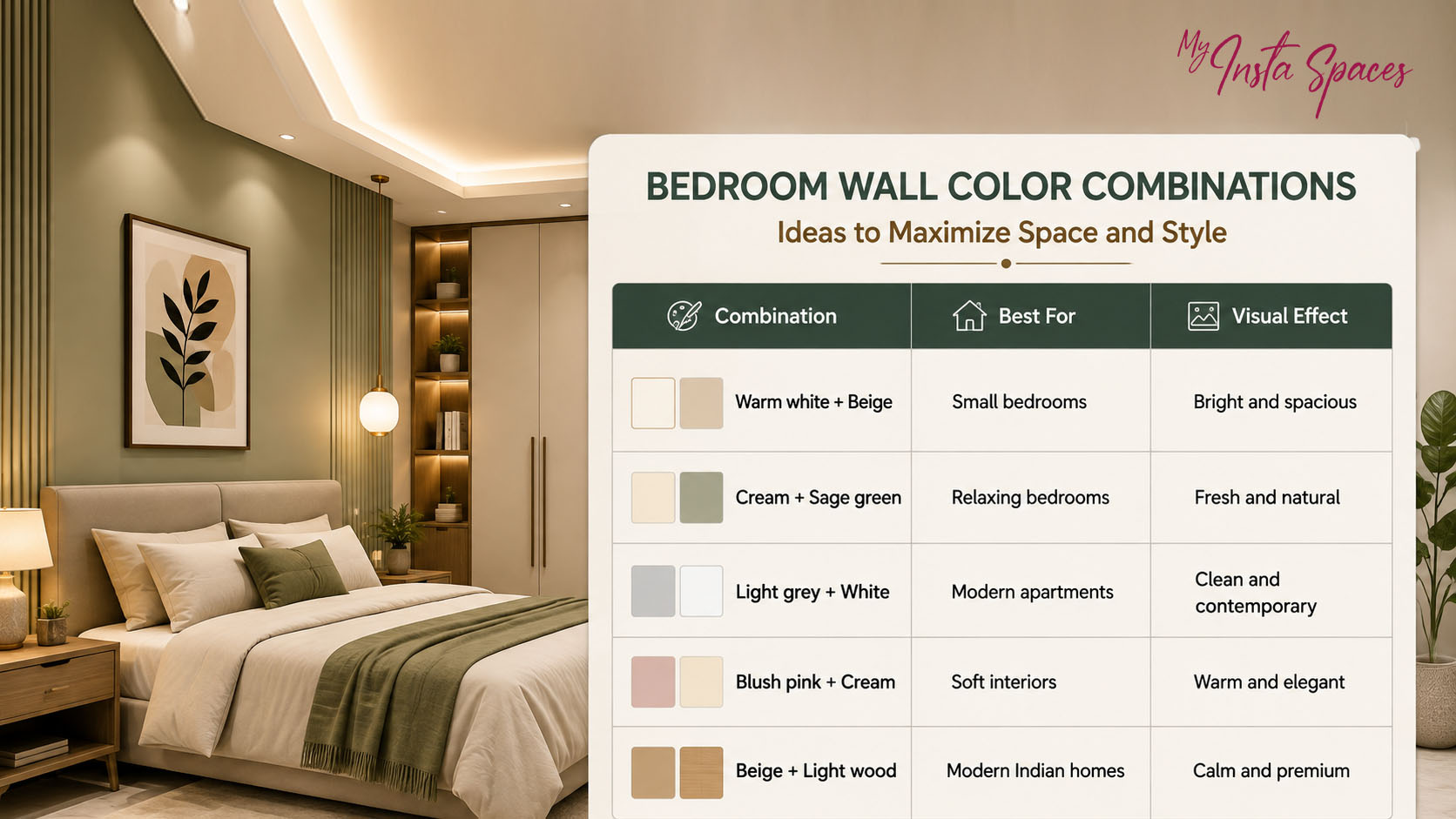
1. Warm White + Beige
Warm white and beige are excellent choices for compact bedrooms because they create a soft, continuous backdrop without making the room feel visually heavy.
Use warm white as the dominant wall colour and introduce beige through an accent wall, curtains, bedding, or furniture.
Best for: Small bedrooms with limited natural light.
2. Cream + Sage Green
Cream keeps the bedroom bright, while muted sage green adds a natural touch without overwhelming the space.
This combination works particularly well with wooden furniture, indoor plants, and neutral fabrics.
Best for: Calm, nature-inspired bedrooms.
3. Light Grey + White
Light grey paired with white creates a clean, contemporary appearance. It works particularly well with modern wardrobes, simple furniture, and minimalist interiors.
If your bedroom receives limited natural light, choose a warm or neutral grey instead of a very cool grey.
Best for: Modern Bangalore apartments.
4. Ivory + Natural Wood
Ivory walls paired with natural wooden finishes create a warm and airy bedroom. The combination works beautifully with wooden beds, wardrobes, floating shelves, and flooring.
Best for: Minimalist and contemporary Indian homes.
5. Powder Blue + White
Powder blue can make a bedroom feel fresh and relaxing, while white keeps the overall palette bright.
Use blue on one wall or as a subtle accent rather than covering every surface.
Best for: Bedrooms that receive good natural light.
6. Beige + Muted Green
Beige provides warmth, while muted green adds personality without making the room feel too busy.
Pair this combination with light wood, cream curtains, and neutral bedding for a balanced look.
Best for: Warm, modern bedrooms.
7. Cream + Blush Pink
Cream and soft blush create an elegant and welcoming bedroom without the intensity of brighter pink shades.
Keep the blush tone muted and use cream as the dominant colour for a more spacious appearance.
Best for: Soft and elegant bedroom interiors.
8. Taupe + Warm White
Taupe adds depth while warm white prevents the room from feeling dark or enclosed.
This combination works particularly well with beige upholstery, wooden furniture, and warm lighting.
Best for: Premium contemporary bedrooms.
9. Soft Lavender + Cream
Soft lavender can introduce colours while maintaining a calm atmosphere. Pairing it with cream keeps the palette light and prevents the bedroom from feeling visually crowded.
Best for: Relaxing and personality-driven bedrooms.
10. Warm White + Light Wooden Tones
If you prefer a minimalist look, warm white walls with natural wooden furniture can make a compact bedroom feel bright, open, and inviting.
Keep the furniture simple and avoid filling the room with too many contrasting finishes.
Best for: Small minimalist bedrooms.
My Insta Spaces’ approach is to combine color, storage, lighting, and furniture rather than treating wall paint as an isolated design decision. This follows the same principle of smart space planning used across modern bedroom interiors.
5. Accent Wall Colour Ideas for Small Bedrooms
An accent wall can give your bedroom a focal point without taking up any additional floor space. The wall behind the bed is usually the easiest place to introduce an accent colour.
For a small bedroom, consider muted green, soft blue, warm beige, taupe, subtle textured finishes, or light wooden panels instead of very dark or highly patterned designs.
If the room already has limited natural light, keep the accent shade relatively soft and balance it with lighter walls, curtains, bedding, and furniture.
Mirrors can also help reflect available light and create a greater sense of openness, particularly when positioned where they can reflect a window or a well-lit area.
How to Choose the Right Bedroom Colour Based on Natural Light
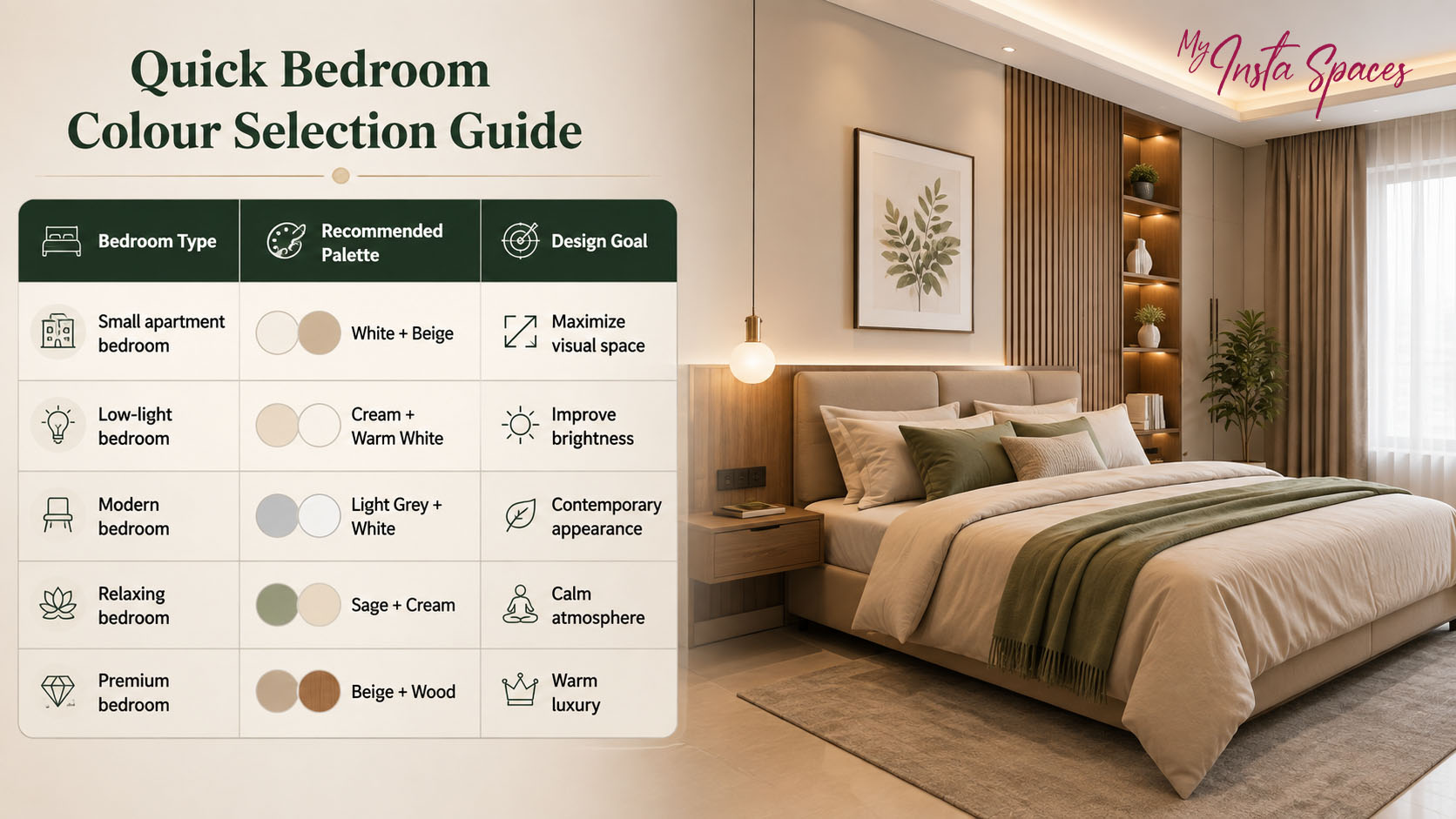
Natural light can completely change how a paint colour looks inside a bedroom. Before finalizing a shade, observe the room at different times of the day.
For low-light bedrooms: Choose warm white, cream, ivory, or soft beige to create a brighter appearance.
For bright bedrooms: Soft grey, sage green, powder blue, or muted beige can add balance.
For bedrooms with warm artificial lighting: Cream, beige, and warm white can create a comfortable atmosphere.
For bedrooms with dark furniture: Warm white, ivory, and light beige can help balance heavier furniture finishes.
Always test a small paint sample on the actual wall before making a final decision because lighting and surrounding finishes can affect how the colour appears.
Colors to Avoid in Very Small Bedrooms
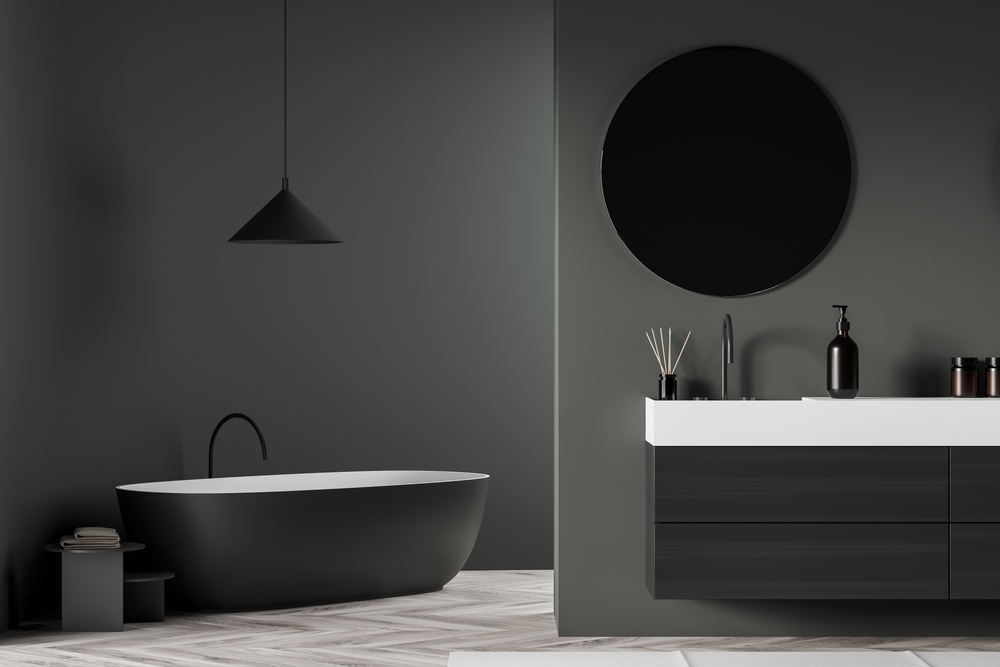
Dark colors are not automatically unsuitable for bedrooms, but using them across every wall can make a compact or poorly lit room feel more enclosed.
If your bedroom is small, be careful with:
- Very dark grey across all four walls
- Deep navy in rooms with limited natural light
- Strong red or orange as the dominant wall colour
- Too many contrasting colors in one room
- Busy wall patterns combined with bold furniture
You can still use deeper shades as controlled accents. The key is to balance them with lighter walls, appropriate lighting, and simple furniture.
Planning a bedroom makeover in Bangalore?
Not sure which wall colour will work with your bedroom’s lighting, wardrobe, furniture, and layout? My Insta Spaces can help you create a personalised bedroom interior based on your home’s space, lifestyle, and design preferences.
👉 Get a Free Interior Design Consultation
Frequently Asked Questions
Which wall colour makes a small bedroom look bigger?
Light shades such as warm white, cream, ivory, beige, and light grey can make a small bedroom feel brighter and more spacious. The result also depends on natural light, furniture, flooring, and the overall color palette.
What are the best two-color combinations for bedroom walls?
Some popular two-color combinations include warm white and beige, cream and sage green, light grey and white, powder blue and white, and cream and blush. For a small bedroom, keep the lighter shade dominant and use the second colour as an accent.
Should a small bedroom have an accent wall?
Yes. A subtle accent wall behind the bed can add depth and personality. Avoid overly dark or busy designs if the room already has limited natural light.
Do dark colors make bedrooms look smaller?
Dark colors can sometimes make walls feel visually closer, particularly in compact or poorly lit bedrooms. However, deeper shades can still work well as accent colors when balanced with lighter walls and sufficient lighting.
How can I make my bedroom look bigger without changing its size?
You can make a bedroom feel bigger without changing its physical size by using light wall colors, reducing clutter, choosing space-saving furniture, adding mirrors, maximizing natural light, and using smart storage..